DEI, Belonging, and the False Refuge of the Euphemism Treadmill
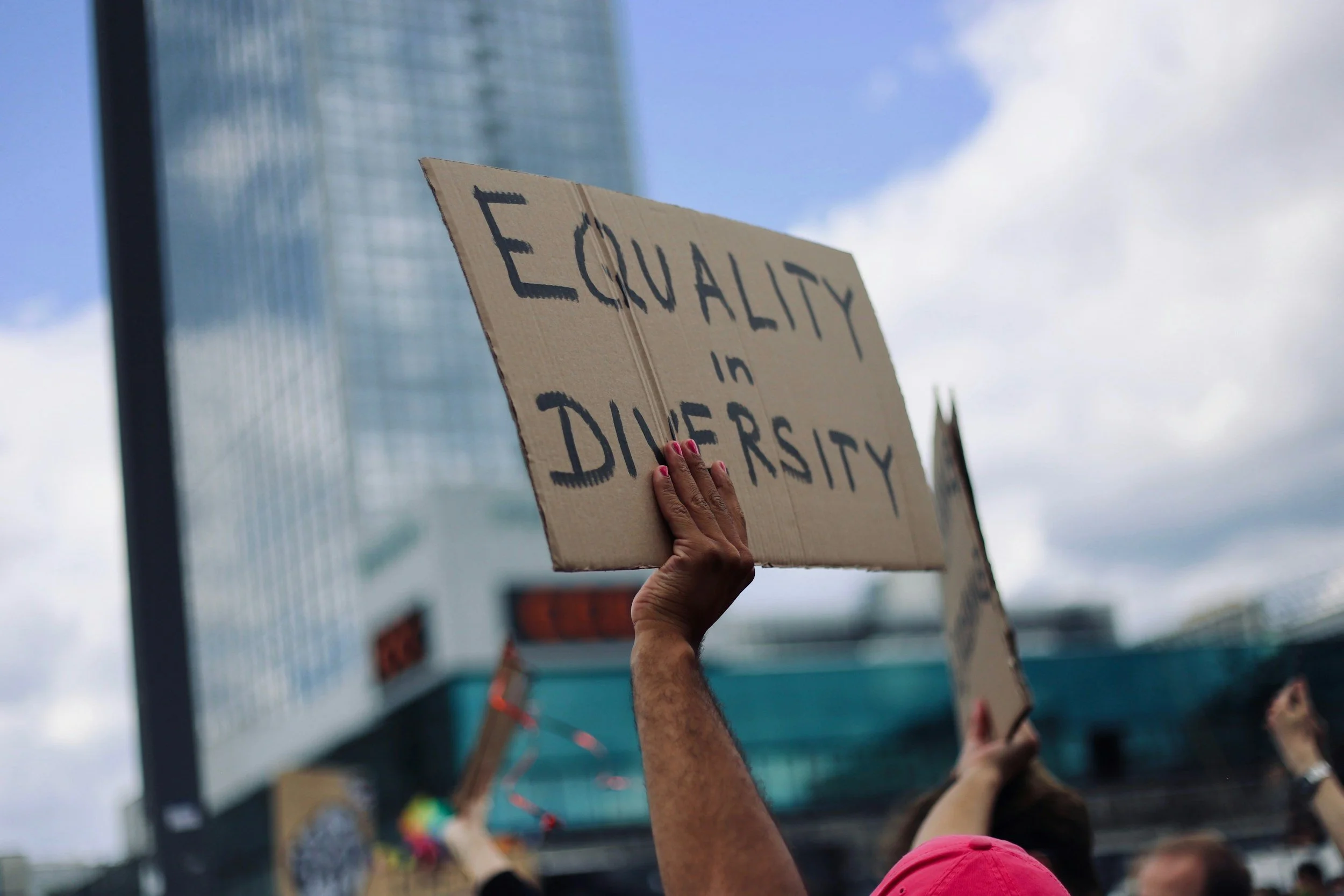
In the wake of President Donald Trump’s executive order, Ending Radical Indoctrination in K-12 Schooling (2025), independent schools across the country are grappling with its implications. The order specifically targets what it terms “discriminatory equity ideology” and “gender ideology” in K-12 education, threatening federal funding for schools that continue to promote these concepts (Trump, 2025). While independent schools do not rely on federal funding to the same degree as public institutions, they are not immune to political and cultural pressures.
At the Klingenstein Heads of Schools Program at Teachers College, Columbia University, where I have spent the past week with school leaders from across the country and the world, discussions about the potential impact of this order have been intense. Some organizations are considering softening their language, replacing terms like Diversity and Inclusion with words such as Belonging, in an attempt to avoid political scrutiny. The reasoning behind this shift is clear: these terms have become politically charged, and some believe that adjusting language could shield schools from controversy while maintaining their commitment to inclusive values.
However, as Steven Pinker (1994) has argued, language changes alone cannot protect institutions from ideological backlash. The euphemism treadmill—a term popularized by Columbia’s own linguist, John McWhorter—describes how new terms, adopted to replace words that have been stigmatized, eventually become stigmatized themselves (McWhorter, 2021). If we surrender the terms Diversity and Inclusion today, what prevents the term Belonging from becoming the next target? Instead of conceding to pressure, now is the time for independent schools to reclaim and defend these terms, even if doing so comes at a cost.
The Euphemism Treadmill: A False Refuge
The euphemism treadmill is a well-documented linguistic phenomenon wherein words that begin as neutral or positive replacements for controversial terms eventually acquire the same connotations as the words they replaced. This cycle is evident in many aspects of social discourse. For example, mentally retarded was once a clinical term meant to replace moron and imbecile, but over time, it too became a pejorative, leading to the adoption of new terms like intellectually disabled (Pinker, 1994). The same process has occurred with racial and gender terminology, and we now see it happening with DEI-related language.
Both Pinker and McWhorter note that this process occurs because changing language does not address the underlying biases and social structures that lead to discrimination in the first place. If opponents of DEI initiatives fundamentally disagree with their principles, they will not be placated by linguistic shifts. Instead, they will continue to identify and attack whatever new terms emerge. In other words, renaming a Diversity and Inclusion office to a Belonging office might buy time, but it does nothing to mitigate the broader political and cultural forces seeking to dismantle these initiatives.
For independent schools, the lesson is clear: linguistic adaptation is not a long-term solution. Schools must decide whether they are committed to these principles in substance, not just in name.
The Political and Legal Landscape
The executive order explicitly directs federal agencies to cut funding for programs that promote so-called "radical indoctrination" and mandates the creation of an "Ending Indoctrination Strategy" within 90 days (Trump, 2025). While independent schools may not directly receive federal funding, the order sets a precedent for state-level actions, lawsuits, and other forms of political interference.
A similar trend can be observed in higher education. In Alabama, a group of college professors and students have filed a lawsuit challenging the state’s anti-DEI law, arguing that it violates constitutional protections for free speech and academic freedom (Associated Press, 2025). This case highlights a key concern for independent schools: if public institutions face legal battles over DEI, independent schools may not be far behind. Even if they are not directly subject to these laws, they are part of a broader educational ecosystem where external pressure—whether from donors, alumni, or accreditation bodies—can lead to self-censorship.
The decision to abandon DEI terminology is not merely about semantics; it is about the autonomy of schools to define their missions and values. Surrendering to political pressure today may embolden further attacks tomorrow.
Why Diversity and Inclusion Matter in Independent Schools
Independent schools have historically positioned themselves as leaders in shaping the next generation of global citizens. The principles of diversity and inclusion are not just political talking points—they are essential to educational excellence. Research consistently demonstrates that diverse learning environments improve student outcomes, foster critical thinking, and prepare students for success in an increasingly multicultural world (Gurin, Dey, Hurtado, & Gurin, 2002).
Moreover, abandoning DEI initiatives sends a message to students, faculty, and families from historically marginalized communities that their concerns are secondary to institutional self-preservation. Schools that choose to retreat from these principles risk alienating the very communities they claim to serve.
Some argue that schools can continue their work under different terminology, but this approach assumes that the fight is purely about words. It is not. The backlash against DEI is not just about language—it is about dismantling the principles these initiatives represent. Schools that attempt to hide their commitments behind rebranded labels may still find themselves in the crosshairs of political scrutiny.
Defending Diversity and Inclusion: A Call to Action
If independent schools are serious about their commitment to diversity and inclusion, they must be prepared to defend these values, even at a cost. This means:
Refusing to Rebrand Out of Fear: Instead of shying away from DEI language, schools should double down on articulating why diversity and inclusion are fundamental to their missions. Leaders should frame these values not as partisan issues, but as essential components of high-quality education.
Engaging with Parents and Alumni: Many school communities include politically diverse stakeholders. Schools should proactively communicate the rationale behind their DEI commitments, using data and research to demonstrate their benefits.
Anticipating Legal and Political Challenges: Schools should consult legal experts to prepare for potential challenges, whether in the form of legislation, accreditation battles, or donor pressure. Having a clear strategy for responding to these challenges will be critical.
Building Coalitions: Independent schools should work together to form a unified stance against external pressures that threaten their autonomy. Professional associations and accrediting bodies must also play a role in resisting political encroachments.
Encouraging Thoughtful Discourse: Schools should model the kind of discourse they hope to instill in students. Engaging in open, respectful discussions about the role of DEI in education can help depoliticize these issues.
Conclusion
The current political moment presents independent schools with a choice: retreat into self-censorship or stand firm in defense of their educational missions. While rebranding DEI efforts under the term Belonging may provide temporary cover, it does not address the deeper ideological conflict at play. The euphemism treadmill ensures that any new term will eventually come under fire, necessitating yet another retreat. Instead of playing linguistic games, schools should commit to the hard but necessary work of defending Diversity and Inclusion as non-negotiable components of a high-quality education.
History will remember the institutions that had the courage to stand for their values in the face of political pressure. Let yours be among them.