Hard ≠ Good
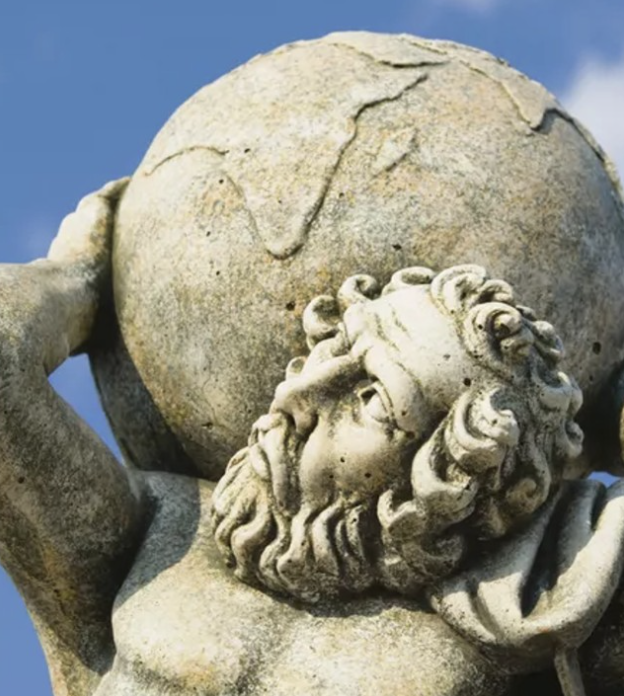
One of the most enduring myths in leadership, education, and culture is the idea that if something is hard, it must also be good. We tend to valorize the grind, the struggle, and the complexity of tasks as if difficulty itself were a sign of virtue. It is hard, therefore it matters. We hear this refrain in different forms, sometimes spoken out loud, more often simply assumed. But it is worth asking, is that actually true?
The cult of difficulty
There is something alluring about difficulty. We often admire the person who works the longest hours, who seems exhausted by the weight of responsibility, who bears visible marks of strain. We assume they must be doing important work because it looks hard. Institutions build the same mythology into their culture. Schools sometimes mistake complicated curricula for rigorous ones. Leaders conflate dense strategic plans with visionary ones. Nonprofits assume that because fundraising is exhausting, it must also be transformative.
But sometimes, hard is just hard. A clunky system, a poorly designed workflow, or a leadership team that cannot make decisions, these are all difficult to navigate, but they do not produce goodness. They produce fatigue.
The mistake is not in recognizing that good things often require effort. The mistake is in assuming that effort itself makes something good.
Thomas Merton warned about this very confusion. “There is a pervasive form of contemporary violence to which the idealist most easily succumbs, activism and overwork. The rush and pressure of modern life are a form, perhaps the most common form, of its innate violence.” If we are not careful, we baptize pressure as purpose and mistake strain for substance.
What is truly good
When I think of the best teaching I have observed, it is rarely the most complicated. The teachers who make a deep impact on students often take complex ideas and render them simple, clear, and accessible. Their classrooms do not feel strained or arduous, they feel alive, lucid, and purposeful. Students leave not overwhelmed, but illuminated.
Likewise in leadership, the best strategies are rarely the most elaborate. They are often marked by clarity of purpose and disciplined execution. They do not need fifty initiatives to signal importance. They need a few clear commitments pursued with courage and consistency.
John Dewey put it succinctly, “We do not learn from experience, we learn from reflecting on experience.” It is not the hardness of the task that forms us most, it is the thoughtful alignment of our work with what is true and worth doing.
The seduction of struggle
Why do we equate the hard with the good? Perhaps because we fear that if something comes easily, it cannot be valuable. There is a cultural suspicion of ease. We worry that simple solutions are naïve, that joyful work is unserious, that straightforward communication is shallow. So we make things harder than they need to be, believing that difficulty will justify our work.
But struggle is not the same as substance. Complexity is not the same as depth. Exhaustion is not the same as excellence. The most meaningful work often feels clear rather than convoluted, focused rather than frenetic, grounded rather than grandiose.
What actually requires effort
None of this is to say that good things are always easy. Trust requires effort. Consistency requires discipline. Integrity requires courage. These are not complicated, but they are demanding. They do not confuse us with their intricacy, but they challenge us with their constancy.
Think of kindness. On the surface, it is simple. But to live a life consistently marked by kindness requires daily effort, restraint, and intentionality. The same is true of attentiveness, forgiveness, and joy. They are not difficult because they are complicated, but because they call us back again and again to what is essential.
Simone Weil reminds us where the real difficulty lies. “Attention is the rarest and purest form of generosity.” To pay true attention to students, colleagues, families, and neighbors is demanding, not because it is complex, but because it asks for presence, patience, and humility.
A spiritual reminder
In the Christian tradition, Jesus describes his yoke as easy and his burden as light. This does not mean discipleship is effortless. It means that the way of Christ is not weighed down by unnecessary burdens, but animated by love, clarity, and grace. The point is not to seek the hardest path, but the truest one. The fruits we look for are not bruises from carrying a heavy load, but love, joy, peace, patience, kindness, goodness, faithfulness, gentleness, and self control.
Merton’s caution about overwork pairs well with ancient wisdom from the Tao Te Ching, which captures the movement from more to less, from clutter to clarity. “In pursuit of knowledge, every day something is added. In pursuit of the Way, every day something is dropped.” Much of leadership is the courage to drop, to subtract what is unnecessary so that what is essential can breathe.
Leading with clarity
So perhaps the challenge is this, instead of asking, “Is this hard enough to be worthwhile?” we should ask, “Is this aligned with what is true and good?” If the answer is yes, then the difficulty is worth enduring. If the answer is no, then the difficulty is simply a distraction.
The role of leadership is not to make things harder, but to make them clearer. The work of education is not to obscure with complexity, but to illuminate with simplicity. The task of life is not to seek the heaviest burden, but to take up the one that is good and light.
In practice, that looks like fewer priorities and deeper commitment. It looks like meetings designed for decisions rather than performances of effort. It looks like classrooms where the hardest work is done in planning, so that the learning experience can feel simple and focused for students. It looks like measuring what actually matters, not what happens to be easiest to count.
Hard is not the villain. It is simply not the hero. Goodness is not proven by struggle, it is proven by fruit. As leaders and educators, our job is to choose the work that yields life, then give it our steady, patient best.
Hard ≠ Good. Learning to tell the difference may be one of the most important disciplines of leadership.