Legends of the Fall: The Ballad of Shedeur Sanders
I have enjoyed watching the NFL Draft for years, drawn in by the unique combination of hope, human interest, and history that defines the event. It is a celebration of new beginnings, a night where the dreams of young student-athletes come true before our eyes, and where teams dare to imagine a brighter future. Beyond the excitement, the draft also lays the foundation for truly knowing the league over time, offering a first glimpse at the players whose careers we will watch unfold. But what keeps me coming back most is the fact that every so often, something entirely unexpected happens — a moment that carries a deeper meaning, a reminder that even in a system built on preparation and promise, human stories still drive everything.
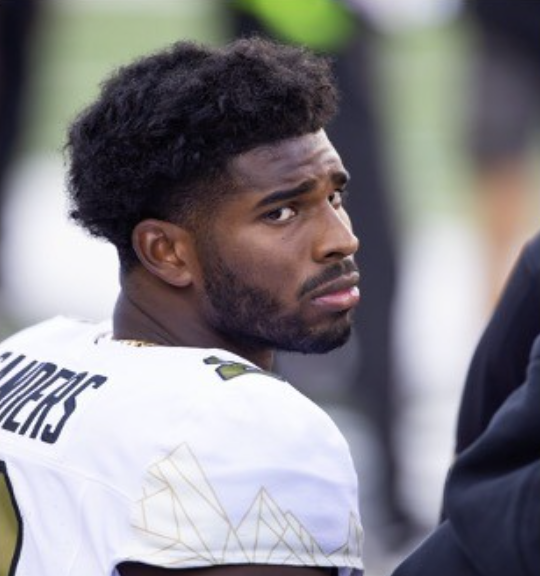
Shedeur Sanders entered the 2025 NFL Draft with high expectations. Throughout the season, he displayed the confidence, poise, and accuracy that suggested he could become a solid NFL starter. His ability to stand in the pocket, deliver accurate throws under pressure, and keep plays alive was evident. However, he also showed clear limitations. His arm strength was considered average, his release was slower than ideal, and he often invited pressure by drifting too deep in the pocket. Evaluators noted his tendency to pass up simple completions in search of bigger plays, and concerns surfaced about how his skills would translate against faster, more disciplined professional defenses.
As draft day approached, those concerns compounded with troubling signs about Sanders’ maturity and self-awareness. Sanders threw a lavish party for himself, complete with elaborate decorations that referred to him as a "legend" before he had ever played a down in the NFL. His jersey number at Colorado had already been retired by his father, Deion Sanders, who is also his head coach — a move that drew criticism for being premature and self-aggrandizing. What might have been overlooked if Sanders had been drafted early became symbols of misplaced hubris once the slide began. By the time the fifth round arrived, Sanders finally heard his name called by the Cleveland Browns, but the damage to his reputation was done.
The story of Sanders' fall is not merely about athletic ability. It is a leadership case study, illustrating how success demands far more than skill. It demands discipline, humility, self-awareness, and a keen understanding of how one's actions are perceived by others.
Here are the lessons leaders should take from this moment.
First, leaders must recognize that preparation must account for perception. Sanders' strengths as a quarterback — his composure, pocket mobility, and accuracy from a clean platform — were not enough to erase concerns about discipline and decision-making. Nor could they outweigh the perception created by public displays of self-celebration that many saw as disconnected from reality. In leadership, it is not enough to believe that results alone will define you. People are constantly interpreting your character through your choices. Competence must be paired with humility. Confidence must be tempered by an ability to read the room.
Second, leaders carry with them the weight of their associations. In Sanders’ case, his close connection with his father created a powerful narrative that was both a blessing and a burden. Deion Sanders’ decision to retire Shedeur’s college jersey number before his NFL career even began framed Shedeur as someone who expected greatness to be handed to him, not earned. Leaders must understand that their associations, even family ties, frame how others perceive their achievements. Great leaders distinguish their personal credibility from the credibility of those around them. They let their work speak louder than their connections.
Third, leaders must walk the fine line between confidence and coachability. Sanders’ self-presentation, from his grand draft party to his sometimes rigid demeanor in interviews, signaled a confidence that many evaluators interpreted as entitlement. In leadership, confidence is essential, but it must remain anchored to openness. True leaders are never finished growing. They demonstrate strength without signaling arrogance, and self-belief without cutting themselves off from learning.
Fourth, leaders must accept that the systems they operate in are not always fair, but they must not make themselves easy targets either. Sanders’ on-field flaws and interview missteps were amplified by the narrative of hubris he helped to create. In leadership, unavoidable challenges are part of the landscape, but self-inflicted wounds make the climb steeper. Leaders must be wise enough to navigate the unfairness of systems without giving critics unnecessary ammunition.
Finally, true leadership is revealed in how we respond to disappointment. At this stage, we do not yet know how Shedeur Sanders will ultimately respond to his draft-day fall. The real measure of his leadership will not be determined by the pick number beside his name but by the character he shows moving forward. For Sanders, and for any leader facing a sudden setback, the best path is clear. Embrace humility. Focus on the opportunity rather than the slight. Pour energy into growth rather than grievance. Build trust inside the new organization through consistency, resilience, and quiet excellence. It is tempting after a public fall to chase validation or double down on pride. But true leadership requires deeper discipline: the ability to channel disappointment into focus, to rebuild credibility patiently, and to let actions rather than declarations reframe the narrative. That is the kind of response that not only revives a career but shapes a stronger, more authentic leader.
As leaders, we should reflect on Sanders' story and ask ourselves hard questions. Are we relying solely on our past results to speak for us, or are we cultivating the relationships and perceptions that make leadership sustainable? Are we managing the way our associations frame us in the eyes of others? Are we balancing confidence with a teachable spirit? Are we preparing ourselves to thrive even when the systems around us are less than fair? And above all, are we prepared to lead not just when the path is clear, but when we are facing unexpected setbacks?
Leadership is not given to those who expect it. It is claimed by those who are ready to lead even after they fall. The draft is over. The real work, as always, begins now.